
Most people who explore cosmetic treatments are not chasing a different face. They want to look rested, fresh and like themselves on a good day. The fear that holds many back is the opposite: the overdone, obviously treated look that everyone recognises.
That worry is reasonable, and it is worth taking seriously. Cosmetic medicine in Adelaide covers a wide range of treatments and a wide range of providers, and the difference between a subtle result and a heavy-handed one rarely comes down to the treatment alone. This guide explains what natural-looking actually depends on, what a good consultation looks like, who is allowed to do what in South Australia, and the questions worth asking any clinic before you book.
What Natural-Looking Cosmetic Medicine Really Means
If you are researching options around Adelaide, you may come across the Adelaide clinic quietly building a name for natural-looking cosmetic results, among many others. Whichever clinic you consider, it helps to know what the phrase should mean in practice.
Natural-looking does not mean unchanged, and it does not mean frozen. It means the treatment supports your features instead of overwriting them, so friends notice that you look well rather than noticing that you have had something done. That outcome comes from restraint, judgement and a clear understanding of your face, more than from any particular product or device.
What Counts as Cosmetic Medicine
Cosmetic medicine is a broad label for non-surgical treatments aimed at changing or refreshing appearance. It typically includes injectable treatments, dermal fillers, skin treatments and energy-based devices such as lasers, along with procedures like skin needling and chemical peels. Some are prescription-only medicines and some are not, which matters when it comes to who is allowed to provide them.
Non-surgical does not mean risk-free. These are still medical procedures involving needles, active ingredients or devices that act on living tissue, and they deserve the same care you would take choosing any other health provider.
What Natural Results Depend On
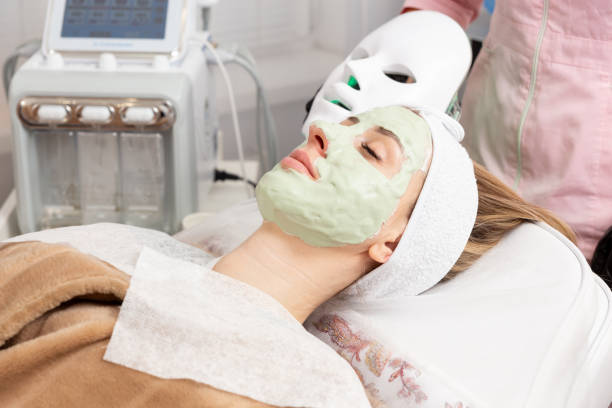
No single factor produces a subtle result. It comes from several things working together.
Practitioner training and judgement: Technique matters, but so does the decision about what not to do. Experienced practitioners know when a little is enough, and when the right advice is to leave an area alone.
Careful assessment: Faces are three-dimensional and move. A good practitioner looks at your features at rest and in expression, and considers proportion and balance rather than treating one line or area in isolation.
A conservative, staged approach: It is far easier to add a little more at a review than to undo too much. Starting modestly and reviewing the outcome is a hallmark of natural work.
Approved products and proper handling: Treatments should use products approved for supply in Australia and stored and prepared correctly. You are entitled to ask what is being used.
Aftercare and follow-up: Results settle over days or weeks, and a good clinic plans a check-in so any adjustments are made once you can see the real outcome.
What a Good Consultation Covers
The consultation is where natural results are won or lost. A thorough one goes well beyond a quick look and a price. Expect questions about your medical history, medications and allergies, and about what you want to change and why. The practitioner should examine your face, explain what they would and would not recommend, describe the risks and likely downtime, and be clear about costs.
You should never feel pressured to book on the day. If a clinic pushes you toward a decision, or pushes extra treatments you did not ask about, treat that as a warning sign. Taking time to think is a normal part of a good process.
Who Is Allowed to Do What
The rules depend on the treatment. For prescription-only cosmetic injectables, the Australian Health Practitioner Regulation Agency (AHPRA) explains in its fact sheet on cosmetic injectables that only authorised prescribers can prescribe them, usually a medical practitioner, dentist or nurse practitioner. The treatment itself is often given by a registered nurse, or an enrolled nurse under a registered nurse’s supervision, but the prescriber must make sure the person carrying it out is authorised and suitably qualified.
AHPRA’s practice guidelines, in effect since 2 September 2025, also require a consultation in person or by video each time a prescription-only injectable is prescribed, and they say that prescribing by text, email or an online form alone is not acceptable. Registered nurses are also expected to have at least a year of general nursing experience before moving into cosmetic procedures. Drugs and poisons laws differ from state to state, so SA Health can confirm the current requirements in South Australia.
Anyone claiming to be a doctor, dentist or nurse must be registered to practise in Australia, and AHPRA’s fact sheet explains how to check the national online register. It is a quick step that takes a couple of minutes.
Questions to Ask Any Clinic
Before you book, it is reasonable to ask:
- Who will assess me, who will prescribe if that is needed, and who will carry out the treatment?
- What are their qualifications, registration and experience with this treatment?
- What products will be used, and are they approved for supply in Australia?
- What can I realistically expect, and what are the risks?
- What happens if I am unhappy with the result or have a complication?
- Will there be a follow-up, and is it included?
A good clinic will answer clearly and without defensiveness.
Risks, Downtime and Realistic Expectations
Every treatment carries some risk, and a trustworthy clinic will say so plainly. Mild redness, swelling, tenderness and bruising are common after treatments that involve needles, and how long they last varies from person to person. Rarer complications can occur, which is why access to follow-up care matters as much as the treatment itself.
Results also vary. Skin, anatomy, age and lifestyle all influence how you respond, so no one can promise a specific outcome. Be wary of anyone who does, and be honest with yourself about what a non-surgical treatment can and cannot achieve.
Red Flags When Choosing a Clinic
- Pressure to book immediately, or offers that expire if you do not decide on the spot.
- Treatment at parties, pop-up events or in settings that do not look like a clinical environment.
- No medical history taken, or an assessment that consists of a form and nothing else.
- Vague answers about who will treat you or what qualifications they hold.
- Promises of guaranteed or dramatic results.
- Reluctance to explain the risks, the products or the follow-up arrangements.
Frequently Asked Questions
How do I avoid looking overdone?
Choose a practitioner who takes a conservative, staged approach, explains what they would leave alone and books a review to adjust the result. Tell them clearly that you want to look like yourself, and be prepared to start small.
How do I check a practitioner is registered?
AHPRA maintains a national online register of registered health practitioners, and its public fact sheet on cosmetic injectables explains how to use it. It is worth checking before your first appointment.
Is there downtime after cosmetic treatments?
It depends on the treatment. Some cause little more than brief redness, while others can leave swelling or bruising for days. Ask what to expect for your specific treatment before you book, especially if you have an event coming up.
How long does a consultation take?
It varies, but it should never feel rushed. A proper consultation involves a medical history, an examination and a discussion of options, risks and costs, so allow time for it.
Final Thoughts
Natural-looking results come from restraint, skill and honest advice rather than from any particular product. Take your time, check who is prescribing and who is treating you, ask the questions in this guide, and choose a clinic that is happy to say no when that is the right answer